

Your Bumble photos are doing more work than you think — and most people are making the same avoidable mistakes with them.
The difference between Bumble photos that generate consistent matches and ones that don’t is rarely about attractiveness. It’s about lighting, context, composition, and the specific story your photo set tells about who you are. Getting these elements right is the single highest-leverage change you can make to your Bumble profile.
This guide covers everything you need to know about Bumble photos in 2026 — the outdoor vs indoor debate, what actually works in practice, and how to build a photo set that does the job it’s supposed to do.
Why Bumble Photos Matter More Than Anything Else on Your Profile
Before getting into the outdoor vs indoor question, it’s worth understanding why photos carry disproportionate weight on Bumble specifically.
On Bumble, women message first — which means female users are making deliberate, considered decisions about which matches to engage with. This selectivity raises the standard for what a profile needs to communicate in the few seconds of attention it receives.
According to research cited by Psychology Today, people form first impressions from photographs in as little as 100 milliseconds — and those impressions are remarkably stable even after extended interaction. On a dating app, this means your photos are doing the majority of the work in the time before anyone has read a single word of your bio.
Your photos need to communicate: who you are, what you’re like in real life, and why spending time with you would be enjoyable. Not just that you’re physically attractive — anyone can find a flattering photo — but that you’re a specific, interesting person worth engaging with.
The Outdoor vs Indoor Question: What the Evidence Shows
The outdoor vs indoor debate in dating profile photography is often treated as a binary choice. It isn’t. The most effective Bumble profiles use both — strategically, with each type of photo doing a different job in the overall set.
Understanding what each environment does well and where each falls short helps you make deliberate decisions rather than defaulting to whatever photos you already have on your phone.
Outdoor Bumble Photos: Why Natural Light Changes Everything
Outdoor Bumble photos consistently outperform indoor photos as hero shots — the first image in your profile — and the primary reason is lighting.
Natural light, particularly in the hour after sunrise and the hour before sunset (golden hour), produces a quality of illumination that no artificial lighting setup can fully replicate. It’s soft, directional, and flattering in ways that overhead indoor lighting is not.
What makes outdoor photos work:
Golden hour is genuinely worth planning for. The light just after sunrise or just before sunset wraps around your face rather than casting harsh shadows. Even a mediocre photographer with a smartphone can produce a strong portrait in golden hour light that a professional would struggle to match at noon.
Natural environments create authentic context. A photo in a park, on a hiking trail, at the beach, or in a city street communicates something about your actual life in a way that a photo against a blank wall cannot. It shows you existing in the world rather than posing for a camera.
Depth of field separates you from the background. A blurred background — achieved by using your phone’s portrait mode or a camera with a wide aperture — draws attention to you while still providing environmental context. Busy, in-focus backgrounds compete with you for attention and consistently underperform.
Movement and candid energy photograph well outdoors. Walking, laughing, doing something — rather than standing still facing the camera — produces photos that feel alive rather than posed.


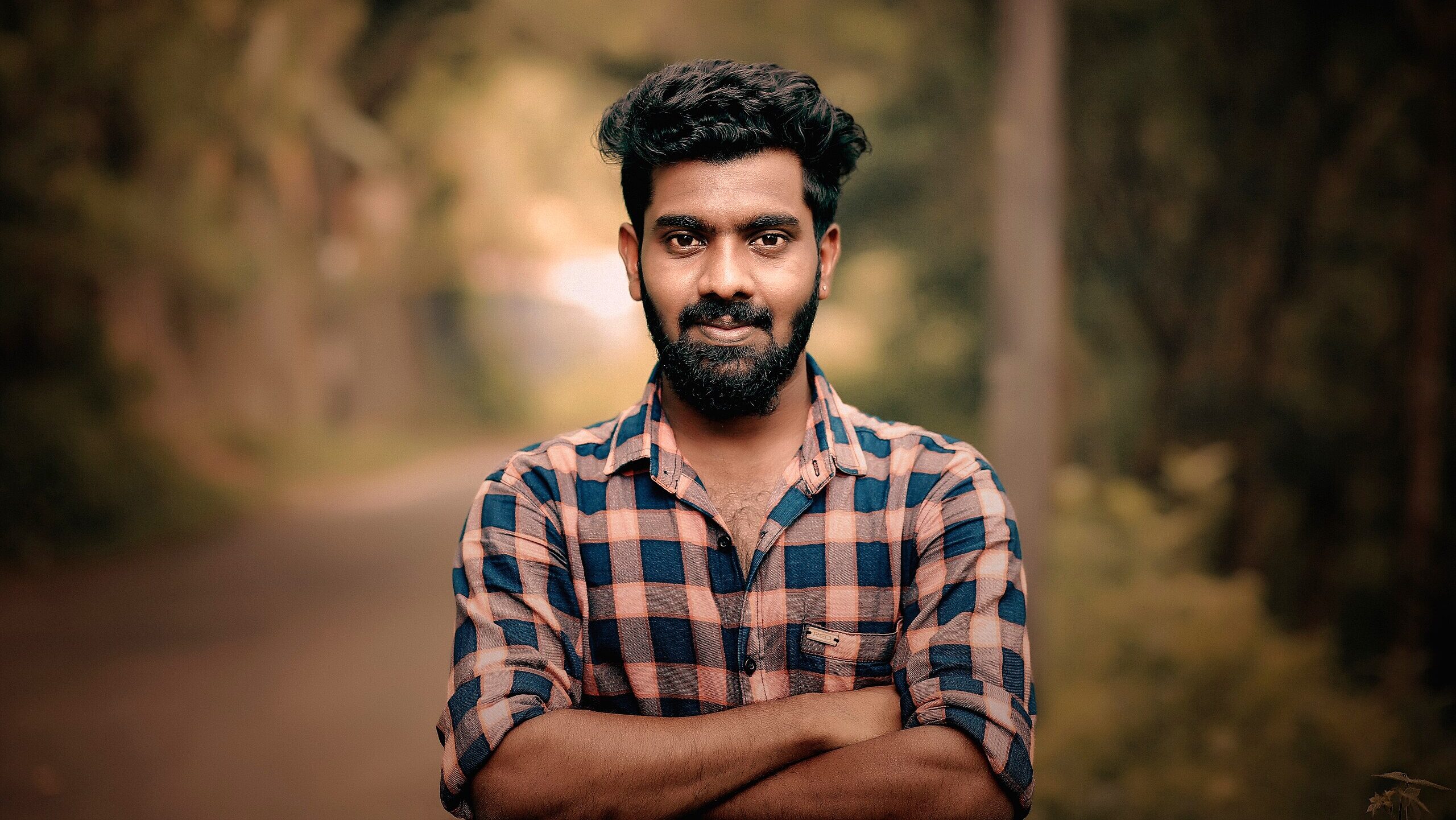
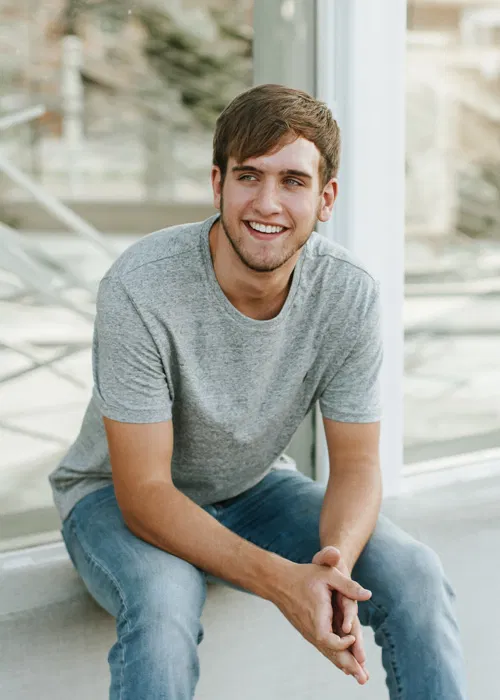
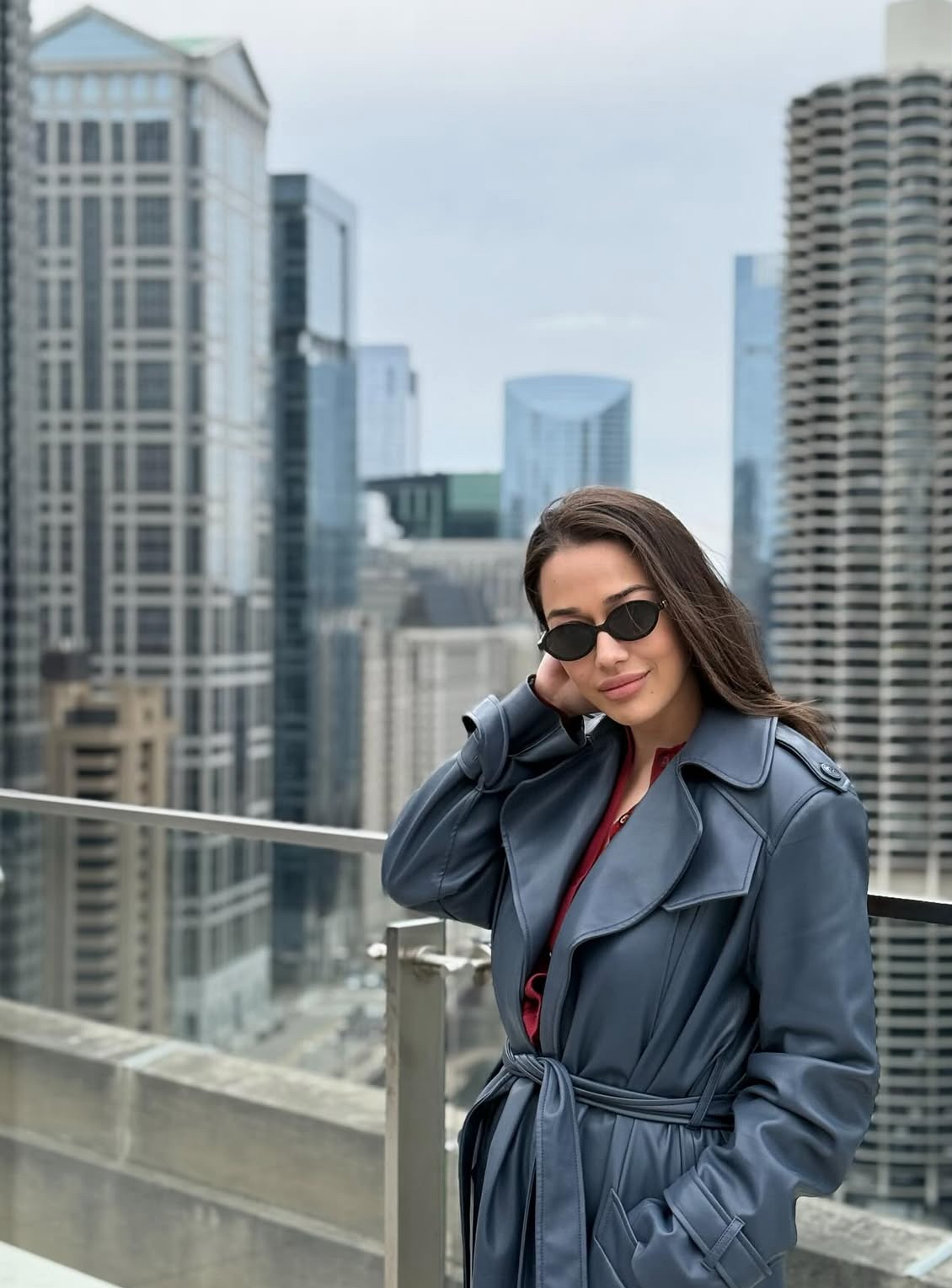
Outdoor photo ideas that work on Bumble:
- A portrait in a park or garden with soft natural light
- Walking down a street or path — candid, mid-movement
- At the beach, by a river, or near water
- An activity shot — hiking, cycling, playing sport
- A social outdoor shot — at a market, festival, or outdoor event
What to avoid outdoors:
- Harsh midday sun that creates deep shadows under eyes and nose
- Backgrounds so busy they compete with you
- Squinting into bright light
- Photos where you’re so small in the frame that your face is unclear


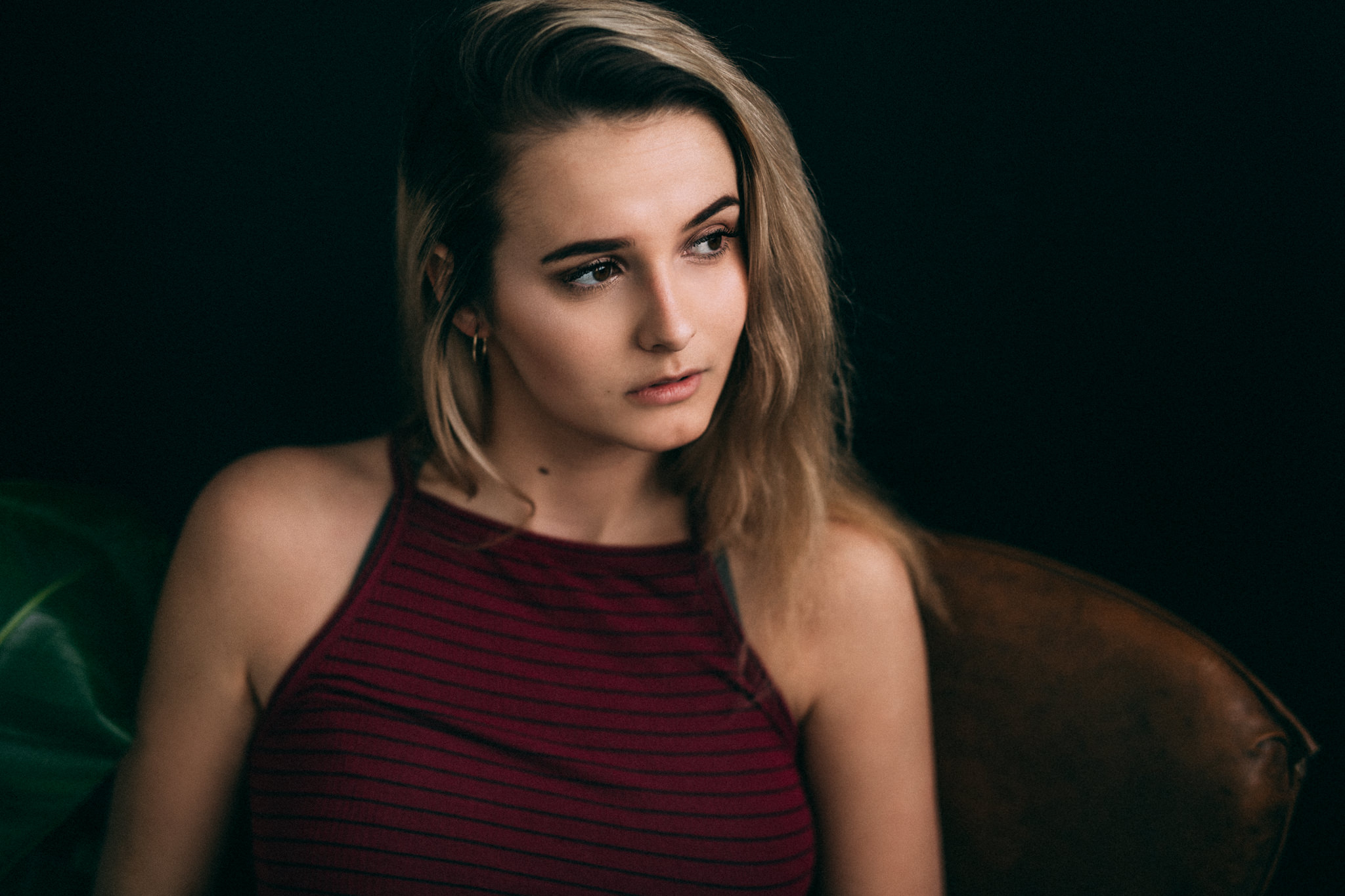
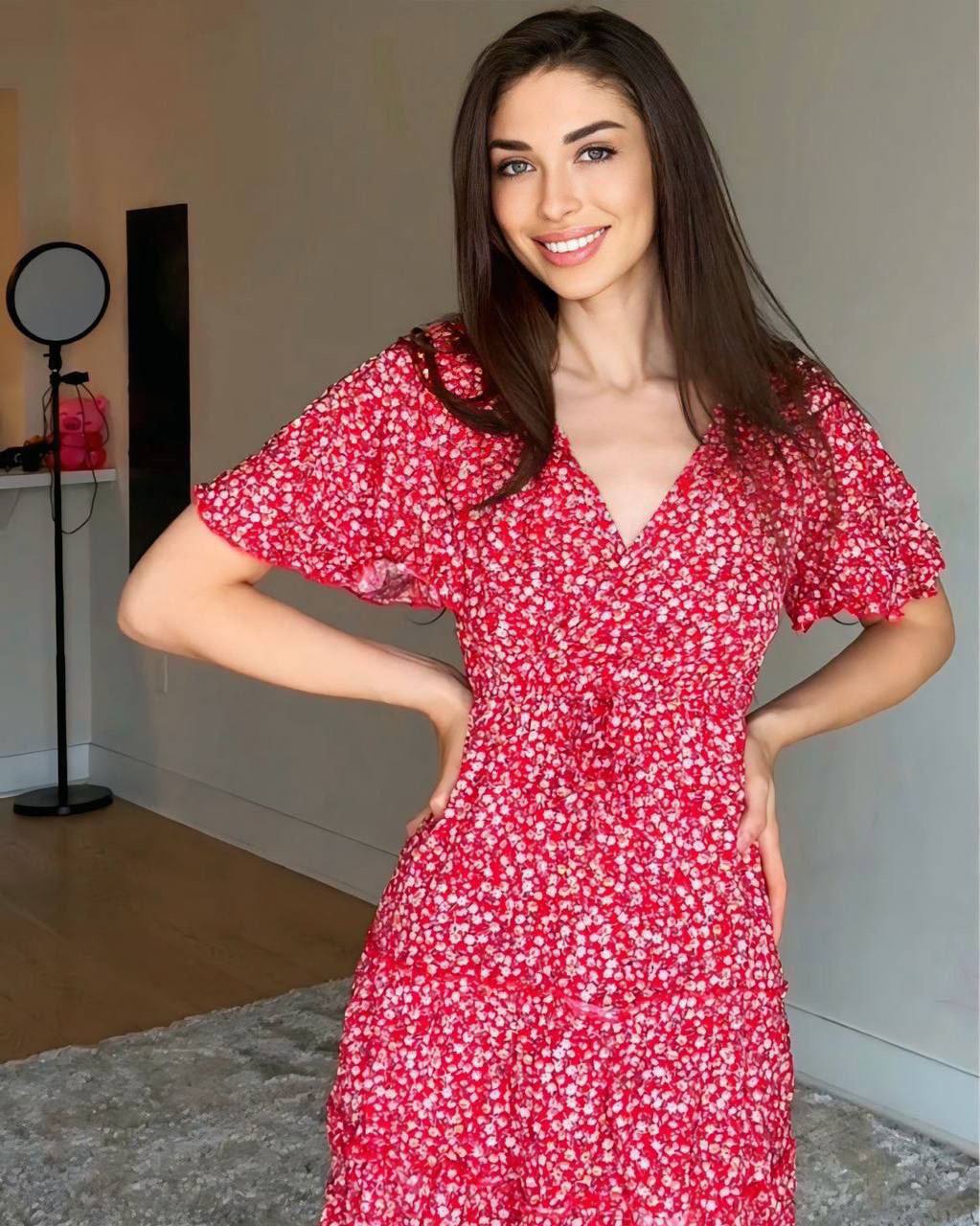
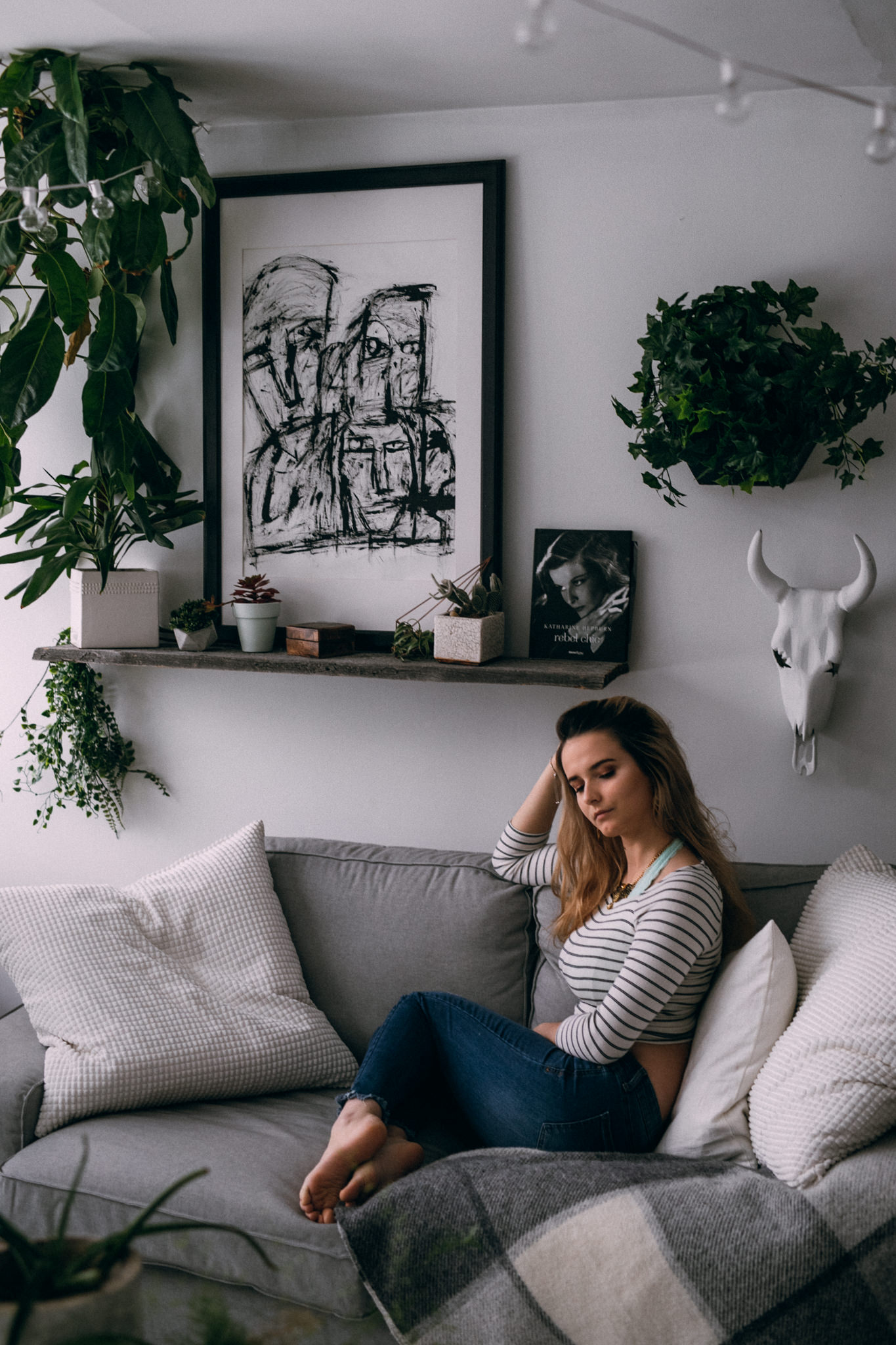
Indoor Bumble Photos: Control, Personality, and Intimate Context
Indoor photos serve a different function in your Bumble photo set — and understanding that function helps you use them effectively rather than defaulting to them as a substitute for good outdoor shots.
The primary strength of indoor photos is control — over background, light, and the specific personal context you want to communicate. This makes them ideal for personality-revealing shots rather than hero shots.
What makes indoor photos work:
Window light is your best friend indoors. Soft, indirect natural light from a window — particularly in the morning or evening — produces the most flattering indoor illumination available without professional equipment. Position yourself facing the window, or at a 45-degree angle to it, for the most flattering result.
Clean backgrounds prevent distraction. A cluttered background shifts attention away from you and communicates disorganization. A clean wall, a tidy bookshelf, or a simple interior creates a backdrop that supports rather than competes.
Indoor shots reveal your actual life. A photo in your kitchen suggests you cook. One in front of a bookshelf suggests you read. One with a guitar or art supplies communicates creative interests. These environmental details do the same personality-signaling work as bio text — but more viscerally and more memorably.
Warm lighting creates approachability. Lamp light, candles, or warm-toned artificial light in a café or bar setting creates a sense of warmth and comfort that cold overhead lighting never does.
Indoor photo ideas that work on Bumble:
- By a window with soft morning or evening light
- In a café — mid-conversation or mid-coffee
- In your kitchen — actually cooking or holding a glass of wine
- In front of a bookshelf or personal workspace
- A cosy, tidy living room setting — relaxed and natural
What to avoid indoors:
- Bathroom mirror selfies — overdone and unflattering
- Dark, low-quality flash photography
- Cluttered, messy backgrounds
- Overhead lighting that creates harsh shadows
- Photos where the room is clearly visible but you are not the focal point
Outdoor vs Indoor: When to Use Which
Understanding the strengths of each environment helps you make deliberate decisions about your photo set rather than using whatever you have.
| Outdoor | Indoor | |
|---|---|---|
| Best use | Hero shot, first impression | Personality-revealing second or third photo |
| Lighting | Natural, flattering at golden hour | Window light or warm artificial |
| What it communicates | Active lifestyle, authenticity, energy | Personal environment, specific interests |
| Common mistakes | Harsh midday light, busy backgrounds | Poor lighting, cluttered backgrounds |
| Ideal for | Action, candid, environmental shots | Intimate, personality, context shots |
The practical recommendation: Start your photo set with a strong outdoor shot — ideally taken in golden hour light with a clean or blurred background — and use indoor shots to add personality and depth to the remaining photos.
Building a Complete Bumble Photo Set That Works
Individual great photos are less effective than a coherent set that tells a complete, accurate story about who you are. Here’s how to think about each slot.
Photo 1: Your Hero Shot
This is your first impression — the photo that determines whether anyone looks further. It should be:
- A clear, well-lit photo of your face alone (no group shots)
- Shot in natural light — ideally outdoor golden hour
- Showing a genuine, relaxed expression — not a forced smile
- Recent — within the last year
This photo needs to do one thing well: make someone want to see more. It doesn’t need to show your body, your interests, or your social life. It just needs to be a clear, warm, genuine image of your face.
Photo 2: The Activity or Lifestyle Shot
Show yourself doing something you actually enjoy. Hiking, cooking, playing music, at a sporting event, traveling, at a market. This photo communicates your life and gives matches something specific to respond to.
This is often the most powerful conversation starter in your entire profile — because it’s specific, personal, and gives the other person an easy thread to pull.
Photo 3: The Social Shot
A photo with friends, at an event, in a group context. This communicates that you have a social life, that people enjoy your company, and that you exist in the world beyond your apartment.
Keep it clear which person you are — and make sure you look genuinely happy rather than tagged unwillingly.
Photos 4–6: Personality and Depth
Use these slots to add texture and specificity. A travel photo. An indoor shot that reveals your environment. A candid moment that shows a different side of your personality. A photo that shows genuine humor.
The goal of the full set is for someone who has looked through all six photos to have a specific, accurate sense of who you are — not just what you look like.
Technical Tips for Better Bumble Photos in 2026
You don’t need professional photography equipment. But a few technical basics make a significant difference.
Lighting matters more than camera quality. A great photo taken in good light on an iPhone outperforms a poorly lit photo taken on a professional camera. Prioritize finding good light over finding a better camera.
Resolution and cropping. Bumble recommends photos of at least 1080×1350 pixels. Avoid heavily cropped photos that reduce resolution. Portrait orientation generally works better than landscape.
Avoid heavy filters. Strong Instagram filters, face-smoothing apps, and heavy editing create a visible gap between your photo and your actual appearance — which produces disappointment rather than attraction when you meet in person. Light editing for exposure and color is fine. Face-altering editing isn’t.
Your face should be clearly visible. Sunglasses in every photo, photos taken from a distance where you’re barely visible, photos where you’re partially obscured — these generate distrust rather than interest.
Update your photos regularly. Bumble’s algorithm rewards recent activity. New photos signal activity and tend to increase visibility in the discovery feed. Every four to six weeks is a reasonable update cycle.
The Photo-to-Bio Connection
Strong photos generate the swipe. Strong bios and prompts generate the conversation. These work together — and understanding how helps you build a profile that functions as a coherent unit rather than a collection of independent elements.
If your photos show you hiking, your bio can reference a specific trail. If your photos show you cooking, your prompts can extend that. If your photos show you traveling, your bio can go somewhere more specific than “love to travel.”
Coherence between photos and bio creates a stronger, more believable overall impression than either element achieves independently.
For comprehensive guidance on what makes profiles work across every element — photos, bios, and prompts — our guide on how to write a dating profile that gets matches covers the full picture with real examples.
Bumble-Specific Photo Considerations
A few things specific to Bumble’s platform and culture are worth keeping in mind.
Bumble’s user base skews professional and quality-conscious. The women-first mechanic attracts a demographic that tends to pay more attention to overall profile quality than the broader Tinder demographic. This means that both photo quality and bio quality matter more on Bumble than on platforms with less selective users.
The women-first mechanic means women are choosing who to engage with deliberately. A profile that communicates genuine personality and genuine interest — through specific photos and a specific bio — is significantly more likely to generate that deliberate choice than a generic profile with strong photos alone.
Photo verification builds trust. Bumble’s photo verification feature — where you submit a selfie in a specific pose that Bumble confirms matches your profile — produces a verified badge that signals authenticity. Given that fake profiles are a real concern on all dating platforms, this badge is worth having.
For an understanding of how Bumble compares to other major platforms in terms of what profile elements matter most, our Tinder vs Bumble comparison and our Bumble vs Hinge guide cover the specific differences in detail.
Quick Pre-Upload Checklist
Before adding any photo to your Bumble profile:
- ✅ Is your face clearly visible in the first photo?
- ✅ Is the lighting flattering rather than harsh or dim?
- ✅ Is the background clean or appropriately blurred?
- ✅ Is the photo recent and accurate to how you currently look?
- ✅ Does the photo communicate something specific about your personality or life?
- ✅ Is the resolution sufficient (ideally 1080×1350 or higher)?
- ✅ Have you avoided heavy filters or face-altering editing?
- ✅ Do your photos work together as a coherent set?
Find the Right Platform to Showcase Your Best Photos
💡 The right dating app puts your profile in front of people worth meeting. Find the top-rated platform available in your location — updated for 2026. Find Your Best Dating App →
Final Thoughts
The outdoor vs indoor debate misses the more important point: what matters is not where you take your photos but whether they accurately and attractively communicate who you actually are.
The best Bumble photo sets use both outdoor and indoor shots deliberately — outdoor for the hero shot and lifestyle context, indoor for personality and intimate detail. They’re well-lit, honest, recent, and coherent as a set rather than a random collection of the best photos you happen to have.
Getting your photos right is the highest-leverage single improvement you can make to your Bumble profile. It doesn’t require professional photography — it requires understanding what good light looks like, what a clean background does, and what story you want your six photos to tell about your life.