
💔 When Trust Breaks: The Moment Everything Changes
Few things cut as deeply as discovering your partner has been unfaithful. Infidelity is not only about the physical act — it’s about broken trust, shattered expectations, and emotional confusion.
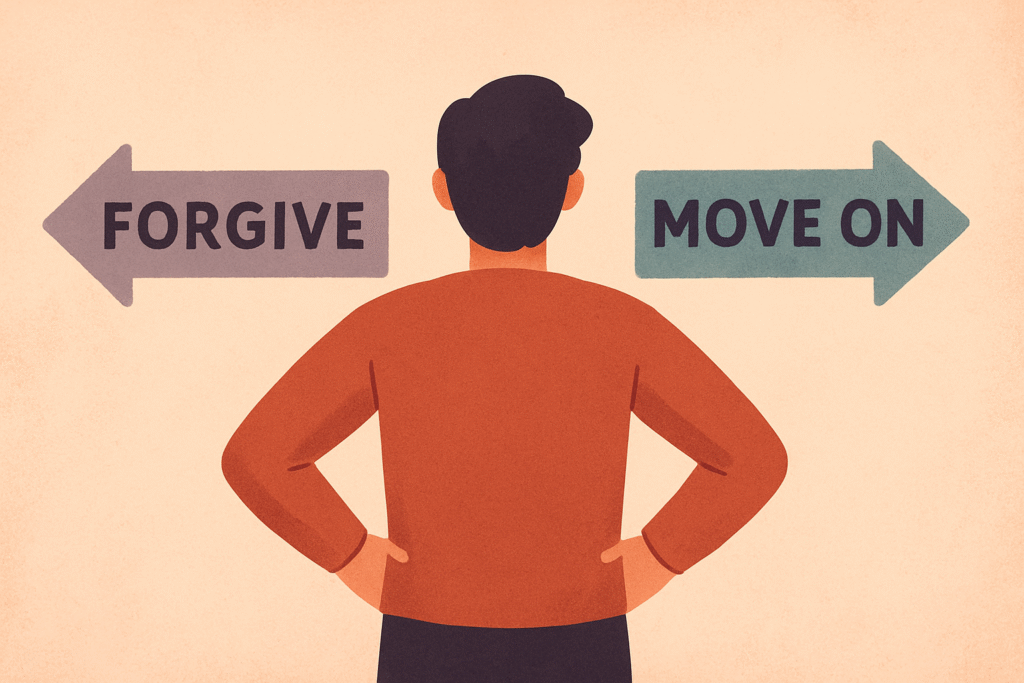
Some people freeze in disbelief; others feel anger, grief, or numbness. No matter how it happens, betrayal creates a turning point: do you stay and rebuild, or do you walk away to protect your peace?
According to Psychology Today, healing after cheating isn’t linear — it’s a process that involves grief, confrontation, and eventual acceptance.
🌧️ Story: When Forgiveness Was Possible
Consider Mark and Alina, a couple married for eight years. When Mark found out about Alina’s emotional affair with a coworker, his world collapsed. They had a child, shared a home, and had built a life together.
Instead of reacting impulsively, Mark chose to pause. He suggested counseling — not to excuse what happened, but to understand why.
Through therapy, Alina admitted she felt emotionally disconnected. They both realized how years of routine and unspoken frustrations had created distance. It wasn’t instant — it took months of raw conversations, tears, and accountability.
Slowly, they began to rebuild trust — not by pretending nothing happened, but by creating new boundaries and communication habits.
Forgiveness doesn’t mean forgetting. It means choosing to move forward with eyes open.
Couples who survive infidelity often do so because both partners take responsibility — one for the betrayal, and the other for the healing process. This path isn’t for everyone, but it’s possible when emotional safety returns.
🔥 When It’s Time to Walk Away
Then there’s Sophie, who discovered her long-term boyfriend had been cheating for months. Unlike Mark, she realized forgiveness would only reopen wounds.
Instead of trying to fix what was broken, she focused on herself.
She moved out, reconnected with friends, started journaling, and even began therapy. What she learned is that healing doesn’t require closure from the person who hurt you — sometimes, you are your own closure.
As Verywell Mind notes, emotional detachment after betrayal is often the healthiest option.
Choosing yourself doesn’t mean giving up on love; it means making space for a healthier version of it in the future.
💬 Forgiveness vs. Self-Preservation: What’s Right for You?
There’s no universal answer. Some relationships emerge stronger after infidelity; others end because the damage runs too deep.
Ask yourself these questions:
- Has your partner taken full responsibility without excuses?
- Do you feel emotionally safe, or still constantly suspicious?
- Are you both willing to rebuild — not just repair appearances?
- Can you see a future without resentment?
If most answers lean toward no, it may be time to move on.
On the other hand, if you both are committed to change and transparency, healing together can transform pain into growth.
Couples who recover often credit open communication, empathy, and time as their greatest tools.
💞 Rebuilding Yourself After Betrayal
Healing after infidelity is more than getting over the other person — it’s about rediscovering who you are without them.
It can be tempting to numb the pain with distractions, but real growth comes from introspection.
Here are key steps for emotional recovery:
- Feel it all. Anger, sadness, disbelief — none of it is “too much.”
- Avoid revenge. It may feel satisfying in the moment, but it delays healing.
- Seek support. Talk to friends, family, or a therapist — healing in silence prolongs pain.
- Redefine your values. What do loyalty, trust, and love mean to you now?
- Rebuild confidence. Exercise, travel, start a project — rebuild your sense of purpose.
As Healthline points out, self-care and self-compassion are essential for recovery.
You’re not healing for them — you’re healing for yourself.
🧠 The Psychology of Betrayal
Betrayal triggers the same brain pathways as physical pain. According to research published in Frontiers in Psychology, emotional betrayal can cause stress responses similar to trauma.
This is why people often experience sleep problems, anxiety, or obsessive thinking after infidelity.
Therapy, mindfulness, and gradual exposure to new relationships can rewire those emotional responses over time.
(Insert external source: Frontiers in Psychology – Emotional Betrayal and Recovery)
🌱 Dating Again After Heartbreak
At some point, you’ll feel ready to connect again. Don’t rush it — new dating experiences should come from curiosity, not loneliness.
Start by reading our guide:
👉 How to Move On from a Relationship
When you begin online dating again, check out:
👉 How to Create the Perfect Profile on Tinder, Bumble, and Hinge
These internal resources can help you approach dating with confidence and self-awareness.
Remember: the goal isn’t to replace someone. It’s to build something better — with lessons learned and stronger emotional boundaries.
❤️ A Personal Reflection
Infidelity changes you. It forces you to face your deepest fears — abandonment, inadequacy, rejection — but it can also help you grow into a stronger version of yourself.
Whether you forgive or walk away, the goal remains the same: peace.
Sometimes, healing means rebuilding a relationship.
Other times, it means rebuilding yourself.
And that’s okay.
🧭 Key Takeaways
- Forgiveness is a choice, not an obligation.
- Moving on is not weakness — it’s courage.
- Healing takes time, not timelines.
- Self-respect is the foundation of recovery.
If you’re ready to open your heart again, remember that every ending can be a new beginning.
LoveFinder.blog is here to guide you — from heartbreak to hope.